
Open with the specific question, conflict, or visible result your video will resolve. Pair the first line with a useful image, establish the stakes, and begin delivering the answer before the introduction becomes a separate performance.
The intro has a practical job: help the right viewer understand why this video deserves their attention. For faceless work, the opening image and narration must cooperate. A striking line followed by unrelated footage creates confusion. Design the opening from the actual evidence and payoff, then remove anything that delays the subject.
Step by step
Identify the final payoff first
Write the useful answer the viewer should leave with. If the video explains why a product failed, identify the specific decision or mechanism supported by your research. The opening can raise that question without inventing a more dramatic mystery. A hook is strongest when the rest of the video can genuinely satisfy it.
Choose one opening structure
Try a concrete question, a visible contrast, a surprising result, or a familiar problem. For a budgeting lesson, show two identical incomes with different cash positions. For a mechanism lesson, show the object doing something puzzling. Choose the structure that fits the material rather than forcing every topic into shock language.
Write the first image and sentence together
Describe exactly what appears as the line is spoken. “Both shops sold the same amount—only one ran out of cash” works with two labeled cash boxes. Keep names, figures, and relationships readable. Do not ask viewers to decode a complex diagram before they understand the question.
Bridge quickly into substance
Follow the hook with the minimum context needed to understand the explanation. Define an unfamiliar term only when it becomes useful. Replace a long channel introduction with an immediate first piece of evidence. The viewer should feel the promised answer has started, not that the video is still preparing to begin.
Test alternatives against the same body
Write three honest openings for one finished script. Read them aloud and inspect whether each leads naturally into the next paragraph. Ask a target viewer what they expect the video to explain. Reject any version that produces the wrong expectation, even if its wording sounds more dramatic.
The workflow inside Golpo
Use these real interface views to find the creation and review controls. Apply the decisions from this guide to your own brief, then review the resulting script and visuals before publishing.
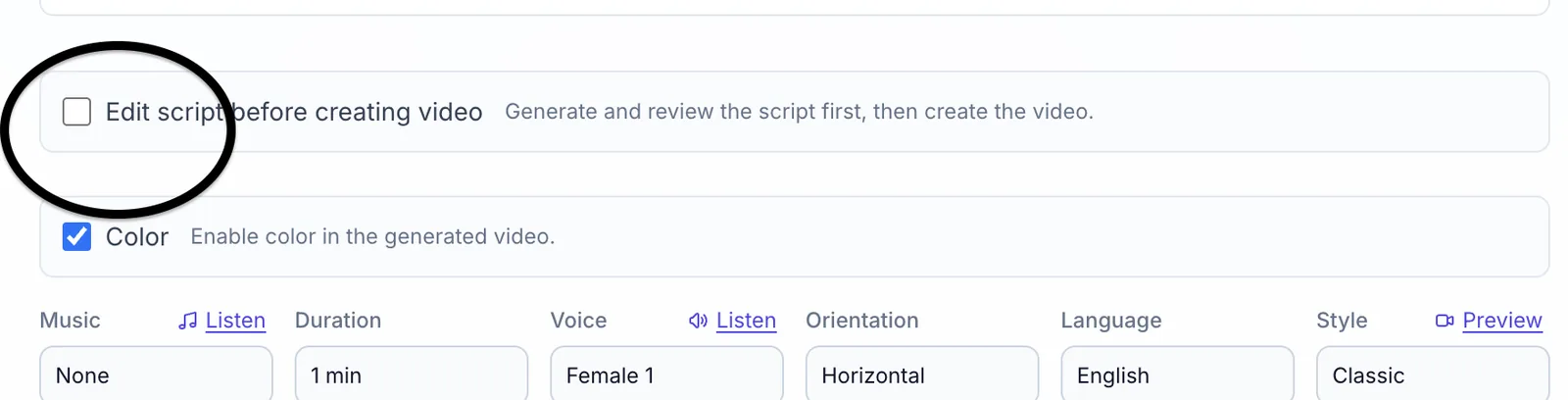
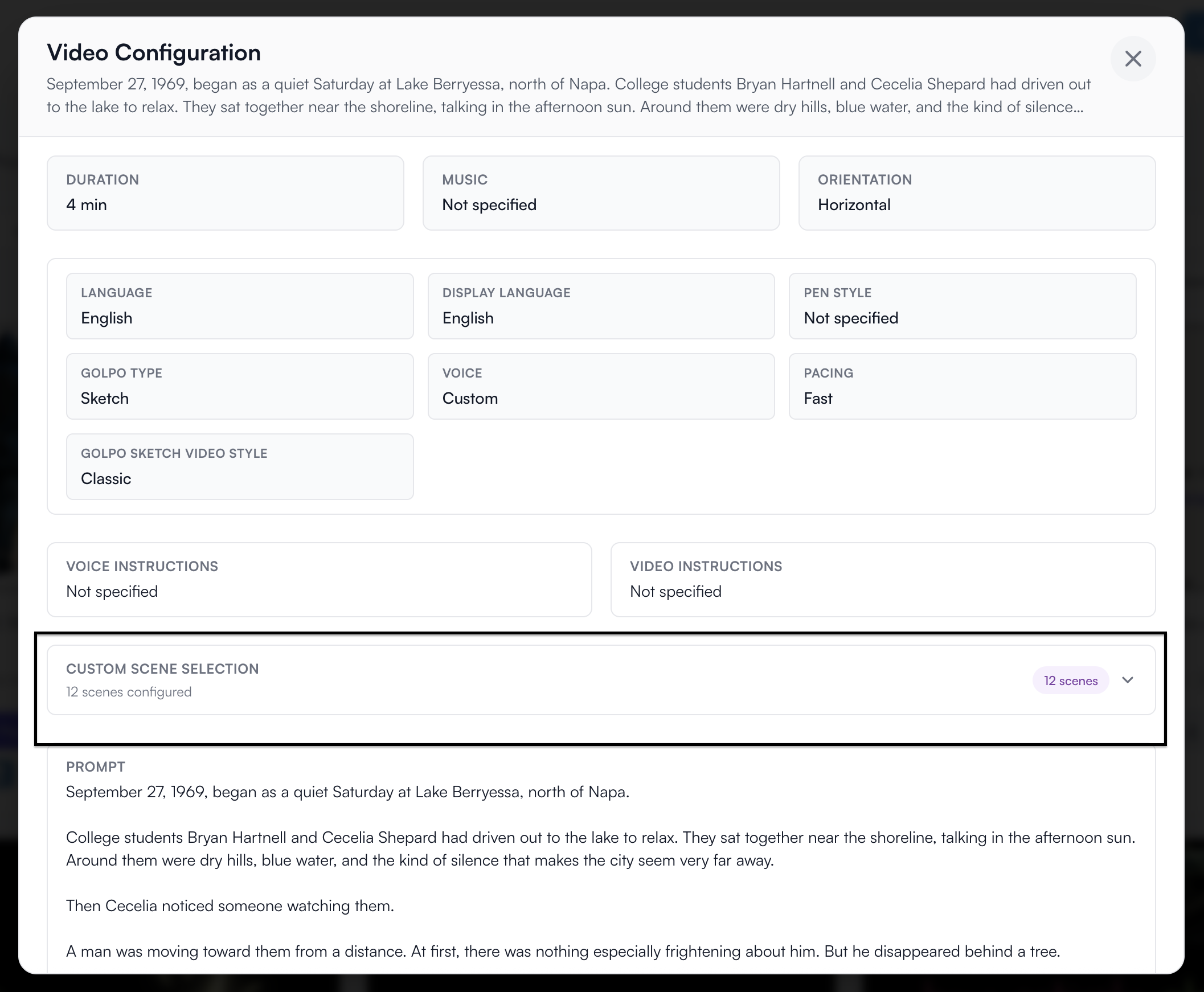
Three example openings with different jobs
Question: “Why can a profitable shop still run out of cash?” Contrast: “These shops earned the same profit, but their bank balances tell different stories.” Result: “The sale is recorded today. The money arrives next month.” Each could introduce the same lesson, but each sets a slightly different emphasis. Choose the one your visuals can support most clearly.
Worked example: profit and cash
The first frame presents a profitable shop with an empty cash box. The next scene reveals an unpaid customer invoice. The hook creates a question that the visual sequence can answer directly.
Write five honest opening options for a faceless explainer about why profit and cash are different. For each, provide the first spoken sentence, the exact first-frame visual, and a one-sentence bridge into an unpaid-invoice example. Use fictional businesses and illustrative amounts. Avoid clickbait, guaranteed results, or a long channel introduction.
Before you publish
- Payoff identified
- Hook supported by evidence
- First image matches line
- Context concise
- Expectation tested
Now, make it yours.
Start with a prompt, bring your script, or turn document text into a video.
You’ll review the setup in Golpo.
Sign-in and plan limits apply.
Your complete text is ready. It is too long to send reliably in a link. Copy it, open Golpo, and paste it into the prompt or script field.
Open GolpoCommon questions
Should I start with a shocking statistic?
Only when the statistic is reliable, relevant, and necessary. A clear question often works better than an impressive number with little connection to the explanation.
How long should the intro be?
Use only the time needed to establish the question and begin the answer. The right length depends on the complexity of the subject, not a universal timer.
Sources & useful reading
Published November 24, 2026. Product features and platform policies can change; linked official documentation is the source for current availability. Examples are illustrative production briefs.